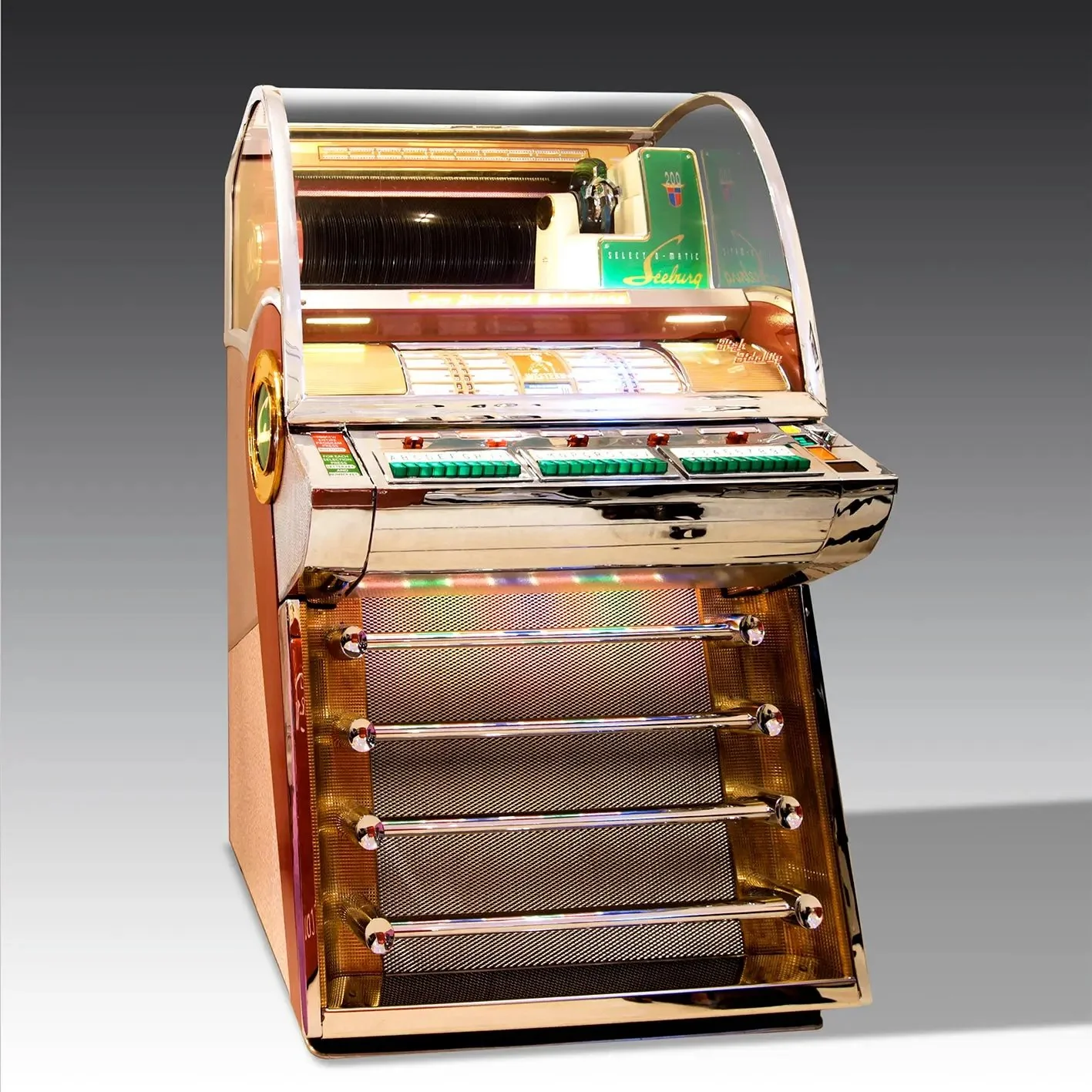
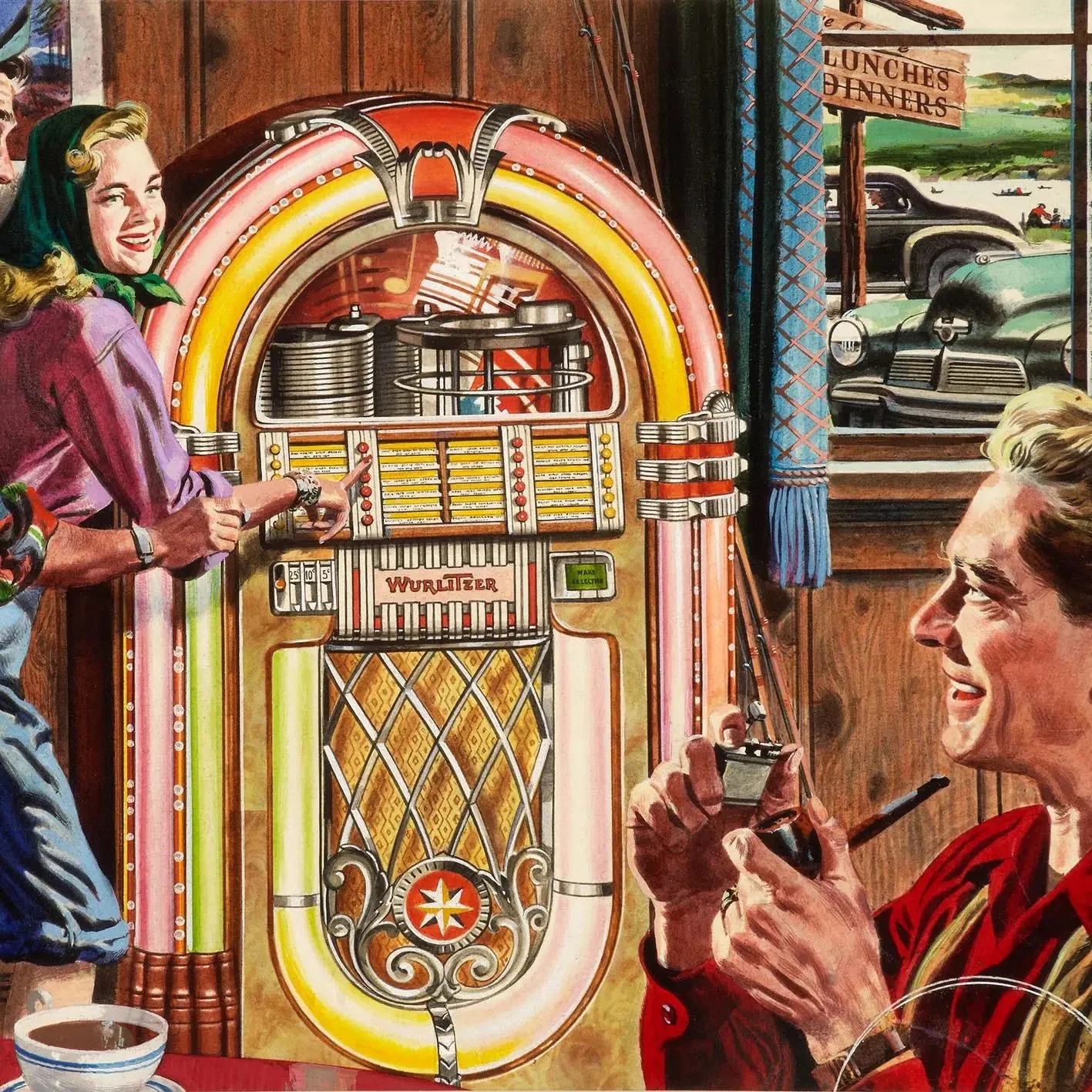
1946 Wurlitzer Model 1015 Vinyl Jukebox
Perhaps we could be accused of overusing terms like ‘iconic’ and ‘classic', and we can’t deny that they do appear quite frequently on our website, but this is only because so many of the machines that pass through our hands are considered to be landmark designs. A fair few have also become part of our cultural history, or at least that of the United States. However, we now find that we've painted ourselves into a corner so to speak, because if a large part of your range has been described as ‘iconic’ where do you go for superlatives when a genuine Wurlitzer 1015 turns up?
Put simply, the ‘Wurlitzer 1015’ is the one that started it all. In the same way that ‘Hoover’ became the generic name for vacuum cleaners and ‘Biro’ became synonymous with ballpoint pens, so the name ‘Wurlitzer’ imprinted itself on the public consciousness as another word for a jukebox.
Rudolph Wurlitzer was born into a family of musical instrument makers in Germany in 1829 before emigrating to America at the tender age of 24. He began by importing his family’s instruments and selling them in the US market but quite quickly set up a manufacturing business and in 1880 the first Wurlitzer piano was built in the US. Electric pianos came next, shortly followed by the cinema and theatre organs, dubbed ‘Mighty Wurlitzers’, that provided such a stirring accompaniment to the silent movies of the time.
In 1933 the New York based company bought the rights to a patented jukebox mechanism and under the management of Farny Wurlitzer, Rudolph’s successor, they began designing and manufacturing their first jukebox, the ‘Debutante’. Known as the ‘small man’s concert hall’, it enjoyed tremendous popularity and paved the way for even greater success when Wurlitzer’s inspired designer, Paul Fuller, came up with the 'Bubbler' design that we all know and recognise today.
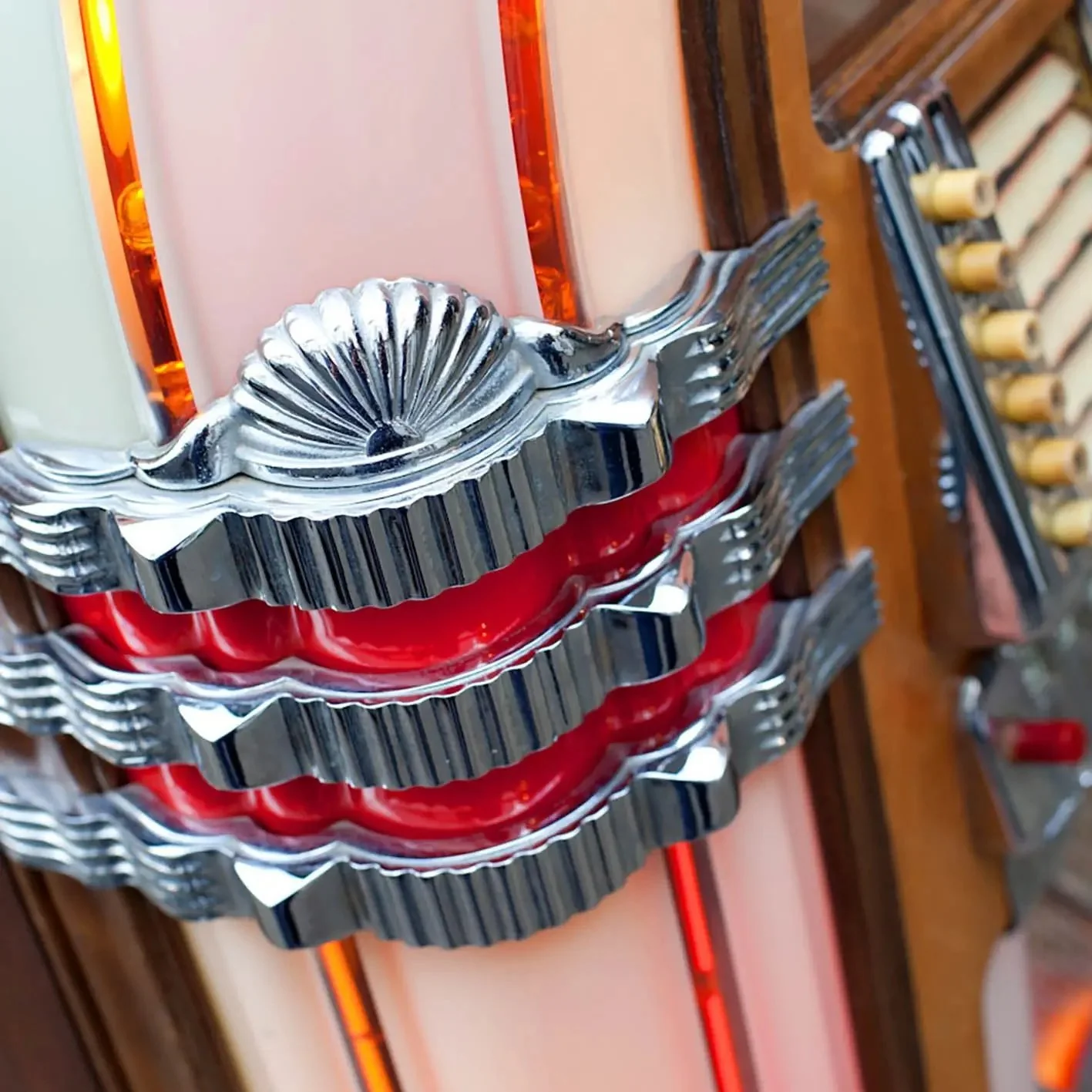
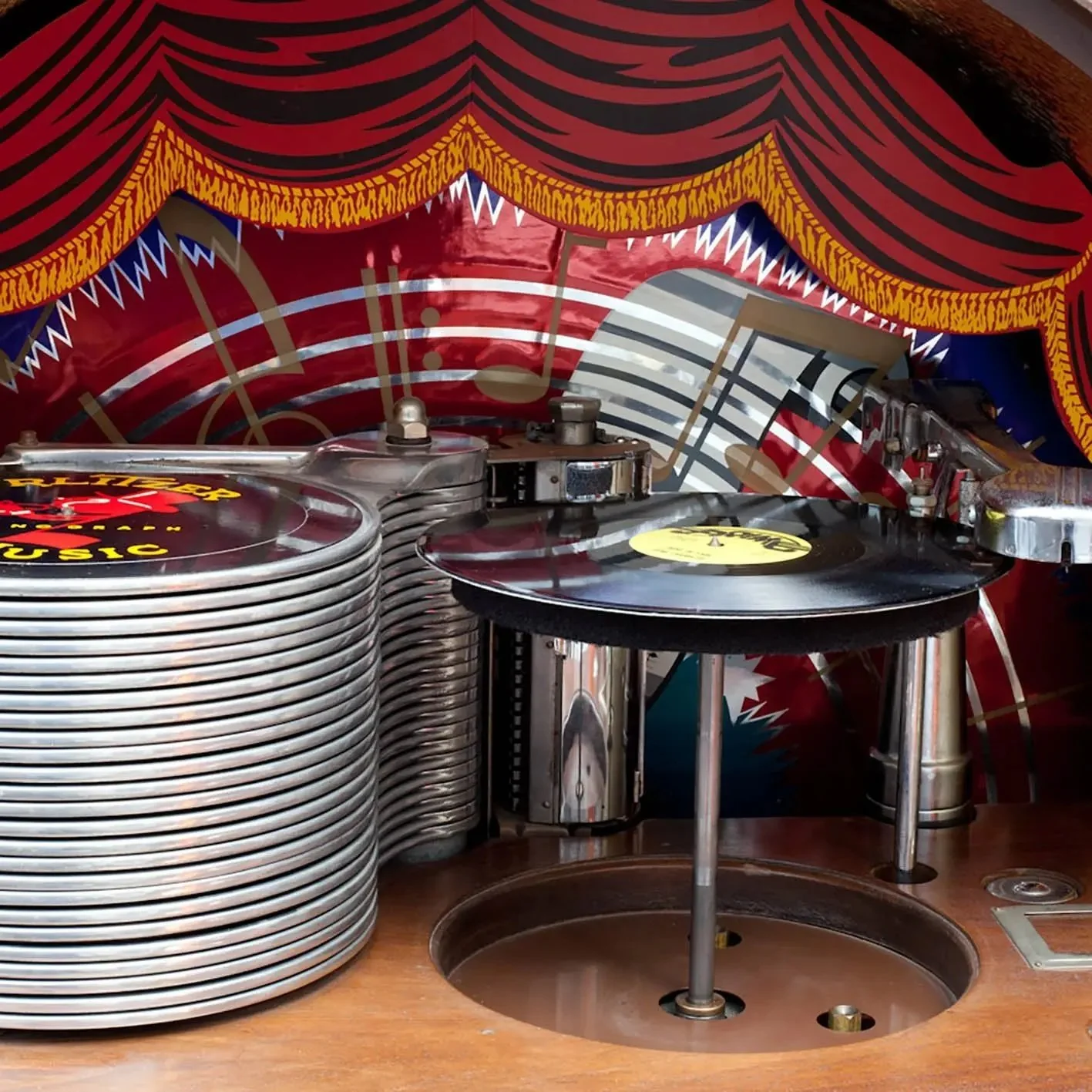
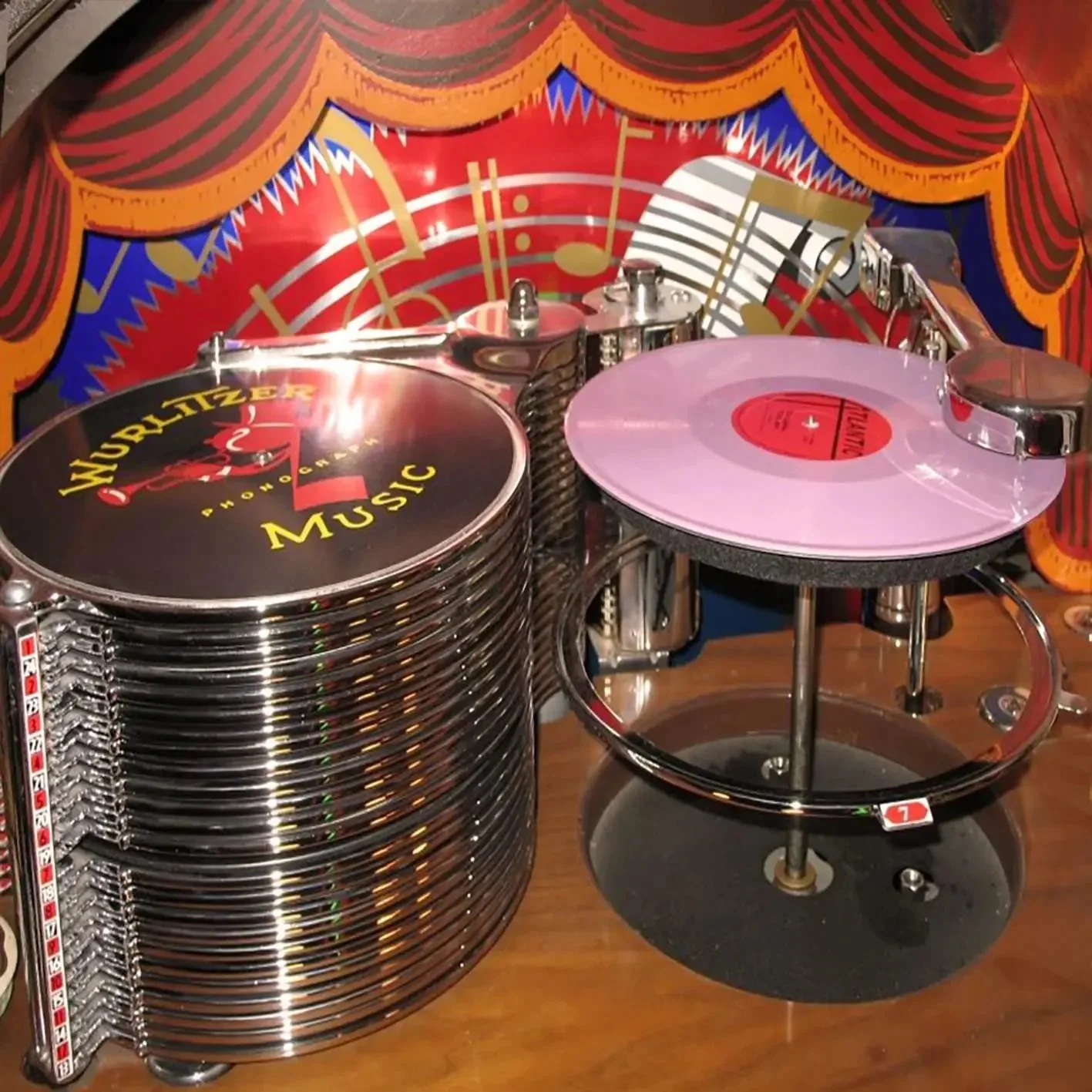
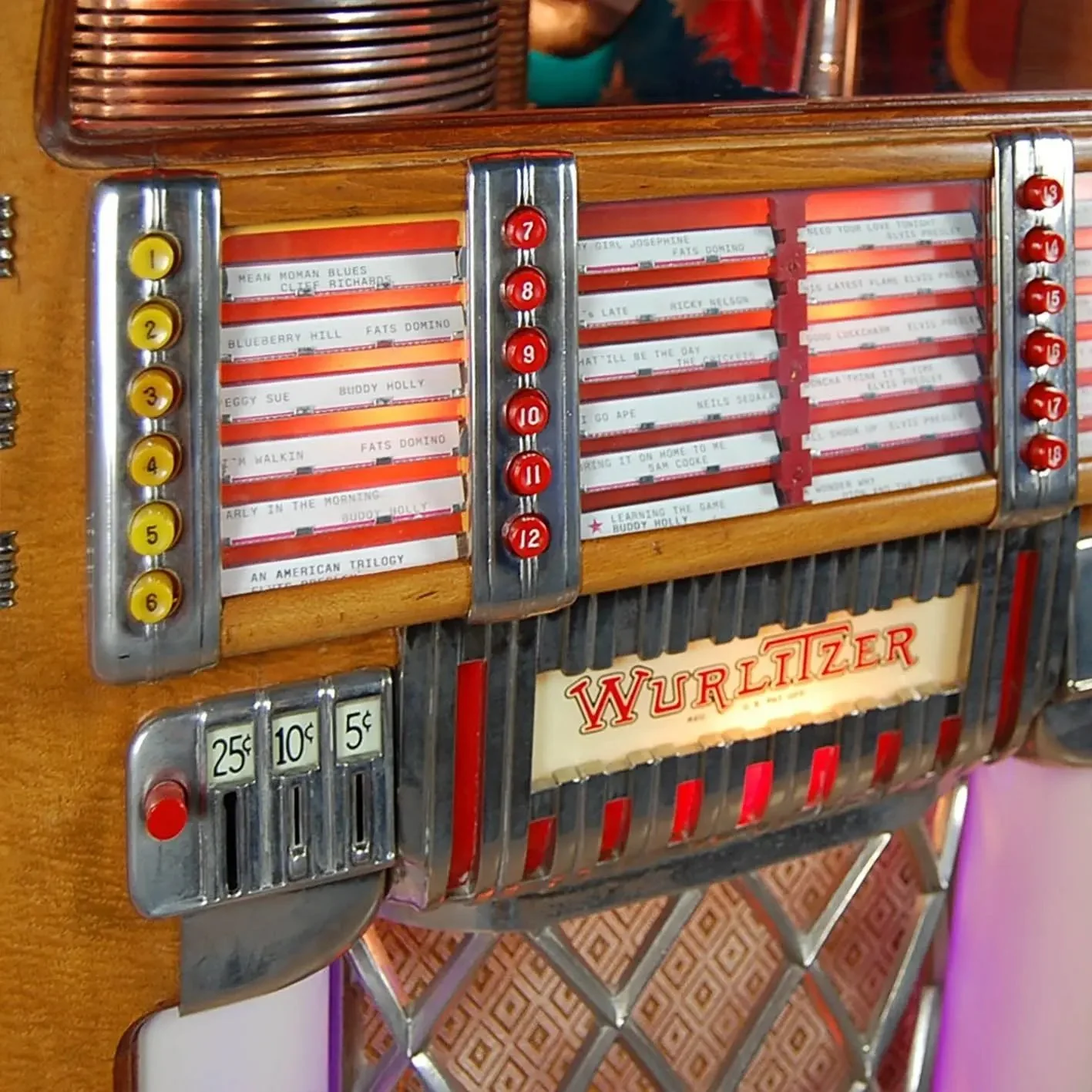
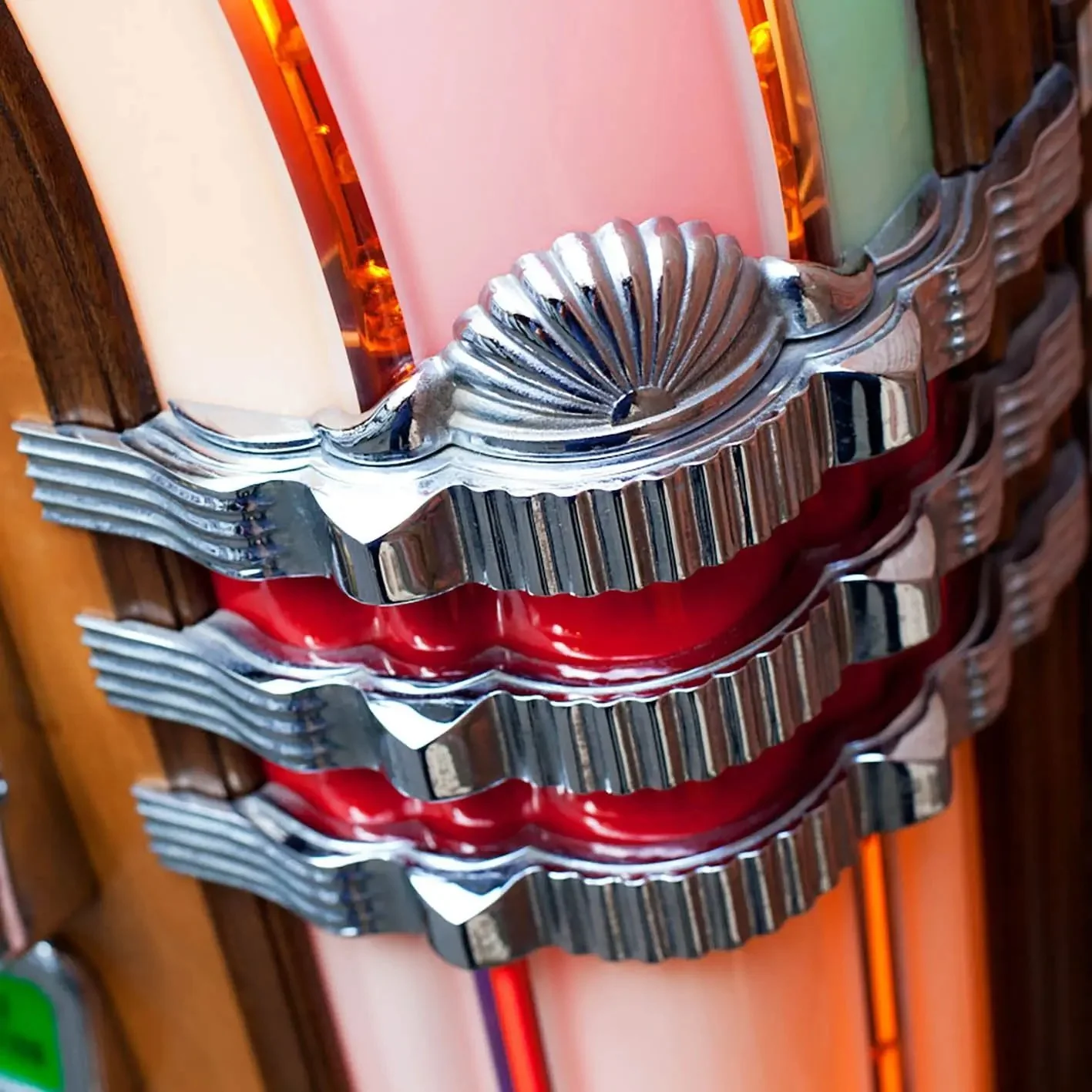
At the end of the war they launched the 1015, which played 24 78rpm records and sold a remarkable 56,000 units in its first 18 months. People were hypnotised by the shifting colours and animated bubble tubes, not to mention the terrific sound quality which would give many of today’s jukeboxes a run for their money!
Original: $24,469.52
-65%$24,469.52
$8,564.33

Description
Perhaps we could be accused of overusing terms like ‘iconic’ and ‘classic', and we can’t deny that they do appear quite frequently on our website, but this is only because so many of the machines that pass through our hands are considered to be landmark designs. A fair few have also become part of our cultural history, or at least that of the United States. However, we now find that we've painted ourselves into a corner so to speak, because if a large part of your range has been described as ‘iconic’ where do you go for superlatives when a genuine Wurlitzer 1015 turns up?
Put simply, the ‘Wurlitzer 1015’ is the one that started it all. In the same way that ‘Hoover’ became the generic name for vacuum cleaners and ‘Biro’ became synonymous with ballpoint pens, so the name ‘Wurlitzer’ imprinted itself on the public consciousness as another word for a jukebox.
Rudolph Wurlitzer was born into a family of musical instrument makers in Germany in 1829 before emigrating to America at the tender age of 24. He began by importing his family’s instruments and selling them in the US market but quite quickly set up a manufacturing business and in 1880 the first Wurlitzer piano was built in the US. Electric pianos came next, shortly followed by the cinema and theatre organs, dubbed ‘Mighty Wurlitzers’, that provided such a stirring accompaniment to the silent movies of the time.
In 1933 the New York based company bought the rights to a patented jukebox mechanism and under the management of Farny Wurlitzer, Rudolph’s successor, they began designing and manufacturing their first jukebox, the ‘Debutante’. Known as the ‘small man’s concert hall’, it enjoyed tremendous popularity and paved the way for even greater success when Wurlitzer’s inspired designer, Paul Fuller, came up with the 'Bubbler' design that we all know and recognise today.
At the end of the war they launched the 1015, which played 24 78rpm records and sold a remarkable 56,000 units in its first 18 months. People were hypnotised by the shifting colours and animated bubble tubes, not to mention the terrific sound quality which would give many of today’s jukeboxes a run for their money!